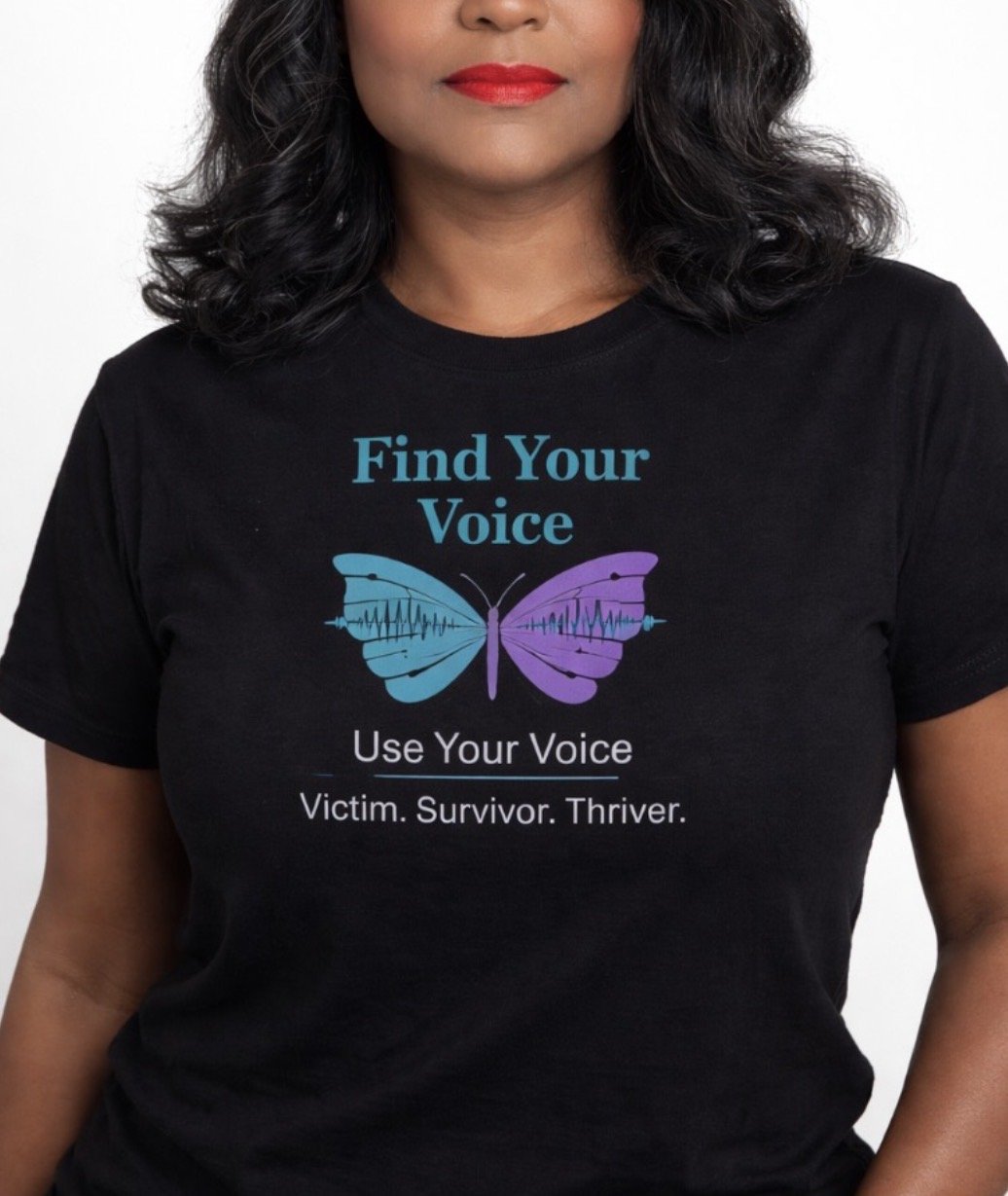
Use Your Voice… Even When It Feels Unheard

There’s a heaviness that comes with using your voice and then realizing it didn’t change the outcome you hoped for.
That weight doesn’t always show up right away. Sometimes it comes later, when decisions are made that don’t reflect what was shared, when harm feels unaddressed, or when the very behaviors that were spoken up about seem to circle back again. It can leave you questioning not just the situation, but the value of speaking up at all.
And yet, using your voice still matters.
In many workplaces, there is growing awareness around trauma-informed leadership. There are trainings, conversations, initiatives. Those are important steps. But the reality is, trauma doesn’t live in a checklist. It lives in the body. It lives in memory. It shows up in ways that aren’t always visible or easily understood.
Tone matters.
Body language matters.
How feedback is delivered matters.
A raised voice, a dismissive comment, a clenched jaw, or being spoken down to in a closed room, these moments may seem small or routine to some, but for someone who has experienced trauma, they can feel overwhelming, even unsafe. The response isn’t always logical or linear. It can look like shutting down, over-accommodating, freezing, or trying to keep the peace at all costs.
That’s not a lack of professionalism.
That’s a nervous system responding to something it recognizes.
This is where leadership has an opportunity, and a responsibility, to go deeper.
Because trauma-informed leadership isn’t just about awareness. It’s about how leaders show up in real moments. It’s about creating environments where people don’t feel diminished, cornered, or dismissed. It’s about leading with consistency, emotional regulation, and respect, especially in moments of stress.
It’s also about what happens after someone speaks up.
There are times when people advocate for themselves or others, and still don’t see immediate change. There are situations where accountability feels delayed, incomplete, or absent altogether. That can be incredibly discouraging. It can feel like effort was wasted, like courage didn’t lead to anything meaningful.
But using your voice was not wasted.
Even when outcomes don’t align right away, speaking up creates awareness. It disrupts silence. It plants seeds that may take time to grow. And sometimes, the impact of using your voice isn’t fully visible in the moment, but that doesn’t mean it isn’t there.
For me, there is a sense of closure.
My perpetrator, the individual who kidnapped and assaulted me, went to prison and did not make it out alive. There is a level of peace in knowing there can be no further harm from that person. While that does not erase what happened, it creates space to move forward without the weight of wondering if it could happen again.
But that’s not everyone’s story.
There are women still navigating domestic violence situations, where speaking up doesn’t immediately lead to safety.
There are individuals in the workplace who have experienced bullying or intimidation, only to watch those same behaviors go unaddressed, or even rewarded.
There are survivors who report, disclose, and advocate, and still find themselves in environments where accountability feels inconsistent or absent.
There are those within families and communities where harm is minimized, dismissed, or quietly carried without acknowledgment.
And that reality can be incredibly difficult to reconcile.
So this is the moment to reflect.
There are moments when I question whether I want to continue this work. Moments when I feel discouraged, when things don’t move the way I hoped, or when the impact isn’t always visible. But I know this work matters.
That’s also why I’m committed to continuing to find ways to recognize and uplift survivors, including those who have experienced bullying, whether in school, at work, or in everyday life. Not every form of harm is acknowledged in the same way, but that doesn’t make it any less real.
Even when outcomes don’t look the way we hoped, we keep going.
Even when our voice doesn’t feel heard, we keep using it.
Even when it feels like nothing changed, we trust that something did.
This takes mental fortitude.
The kind that isn’t loud, but steady.
The kind that chooses to press forward anyway.
Let’s continue the work.