Speaking Your Truth: Sharing Your Story for the First Time
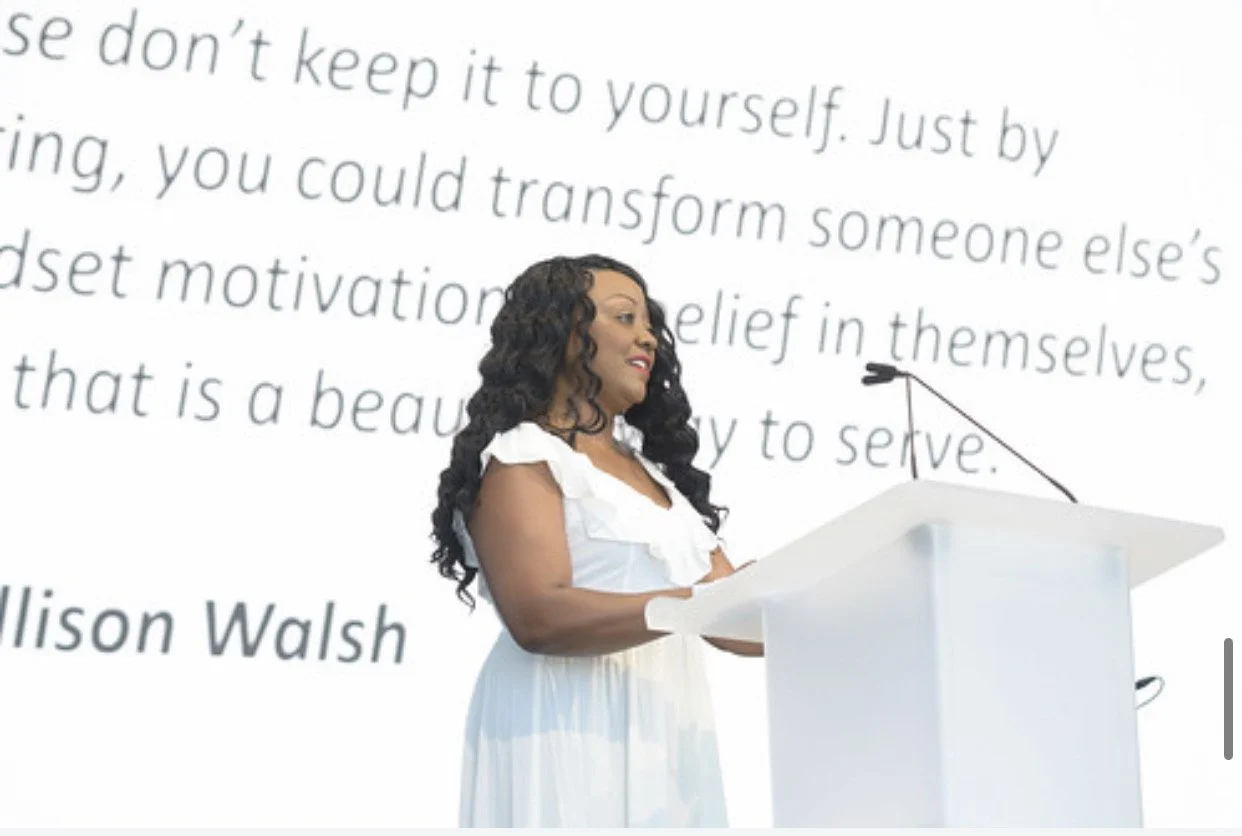
The first time I was asked to speak publicly about my story, it was intimidating. I remember sitting there thinking, “Who would even want to hear this? What if I don’t have the right words? What if I’m still too broken?”
Someone had once planted that very seed of doubt in me: that no one would want to hear from me if I was still struggling, still depressed, or hadn’t “done enough” positive things with my life yet. And for a while, I believed that.
But here’s the truth: sharing your story isn’t about having it all figured out. It isn’t about proving that you’ve transformed your pain into some shining success. It’s about connection. It’s about letting others know they are not alone.
You Don’t Have to Tell Everything
When I first started speaking, I thought sharing my story meant I had to relive every detail of what happened. But I quickly learned that you don’t have to. You get to choose what to share.
There are different ways to tell your story:
You might highlight the lessons you’ve learned.
You might focus on the support systems that helped you.
You might share only part of your journey.
And most of the time, you don’t even have the time to tell every detail anyway. What matters most is that your voice is heard, not that you fit it all into one talk.
Where I’ve Shared My Story
Over the years, I’ve had the opportunity to speak in many different spaces:
Crisis Intervention Trainings – where volunteers prepare to become Sexual Assault Response Team Advocates.
San Diego Regional Police Academy – where I’ve spoken to police recruits and cadets, particularly those preparing to work in the Sex Crimes Unit.
College Campuses – like San Diego State University, where student organizations spread awareness and provide support systems for survivors.
Fundraisers and Community Events – for organizations that have been crucial to my own healing.
Each audience has been different, but every time, I walk away reminded of how powerful it is to share.
The Power of Support
Yes, speaking up can feel intimidating at first. But the amount of support that comes back to you—it’s incredible.
As survivors, we often feel isolated, like no one could possibly understand. But when you share your truth, someone in the crowd will nod. Someone will exhale in relief. Someone will think, “Finally, someone said it. I’m not alone.”
And sometimes, that someone might even take the next step toward getting help because of your words.
A Final Thought
Your story matters. You don’t need to wait until you’ve reached some perfect “healed” version of yourself to share it. You don’t need to tell every detail. You don’t need to have a polished ending.
You only need to speak from the heart.
Because when you do, you remind others—and yourself—that healing is possible, even in the middle of the journey.
One More Thing I’ve Learned
I’m not a professional speaker. Most of the time, I speak casually, from the heart. The only exception has been fundraisers, where organizations usually guide me on what areas to cover or ask me to keep certain things in mind.
That’s another important piece: preparing your story depends on where you’re speaking and who you’re speaking to.
Looking ahead, I do hope to expand into more formal, paid speaking opportunities—maybe even a TEDx talk or an interview. Those are dreams I hold close. But for now, what matters most is this: whenever you are ready to share your story, there are people who are ready to listen.
And if sharing my story gives even one person the courage to step forward with theirs, then it has all been worth it.